

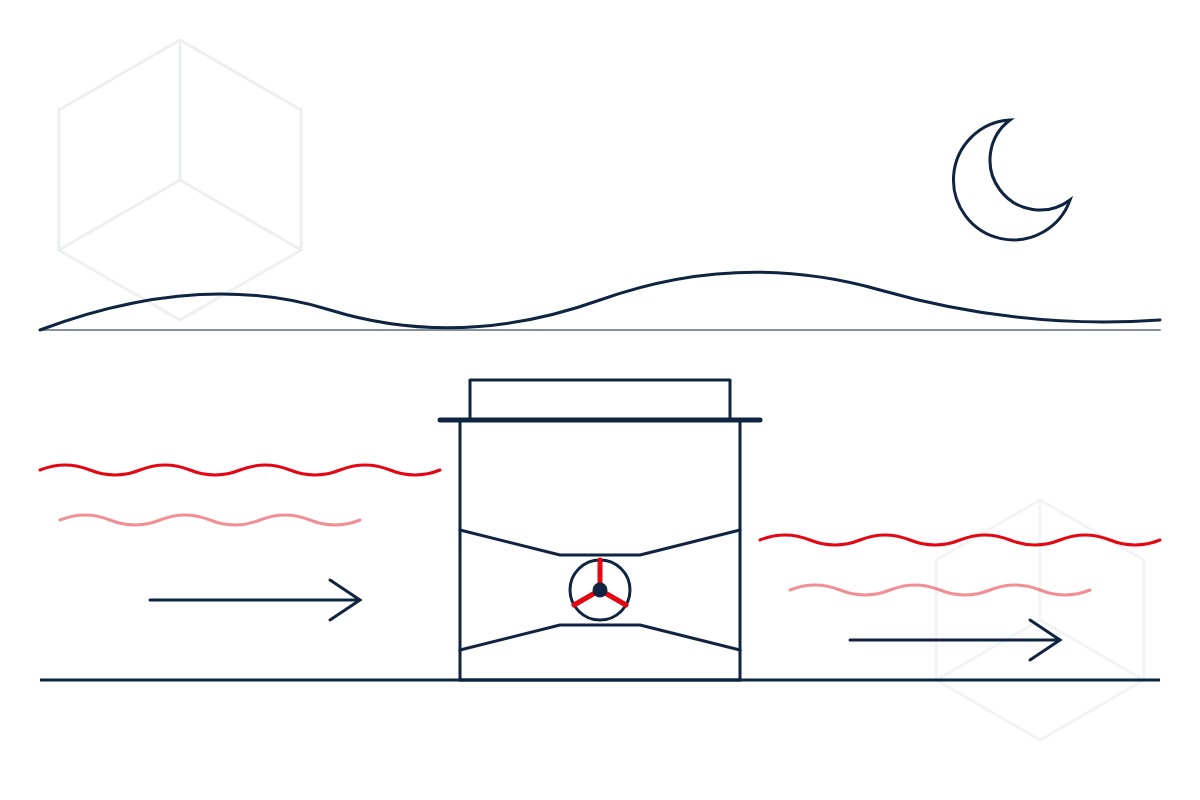
UK demand for electricity is projected to double as transport, heating and data centres move away from fossil fuels, and in calm winter weather wind and solar power can produce little or nothing for days at a time. Tidal power pauses with every tide, but those pauses are predictable, reliable and short, and the Bristol Channel has the second highest tidal range in the world. Professor Binnie described the 2,500 MW West Somerset Lagoon scheme: why it is sited where it is to minimise environmental impact, how it would be built and operated, its power output, and the benefits it could bring to the community.
Speaker
Chris Binnie is a fourth-generation water engineer; his grandfather was several times President of the British Section of IESF and President of the ICE. He studied engineering and law at Cambridge and dam design and hydro power at Imperial College, and has been responsible for the design of four dams over 50 m high, including the Marchlyn Dam for the Dinorwig pumped storage scheme. He was a Main Board Director of WS Atkins, worked on the Severn Barrage scheme in the 1980s, chaired the expert panel for the Severn Tidal Power Feasibility Study and was President of the Chartered Institution of Water and Environmental Management in its centenary year. He is Chairman of West Somerset Lagoon Ltd.
Report: read the write-up of this lecture, Tidal power from the Bristol Channel, from Newsletter 42 (December 2025).